 Save
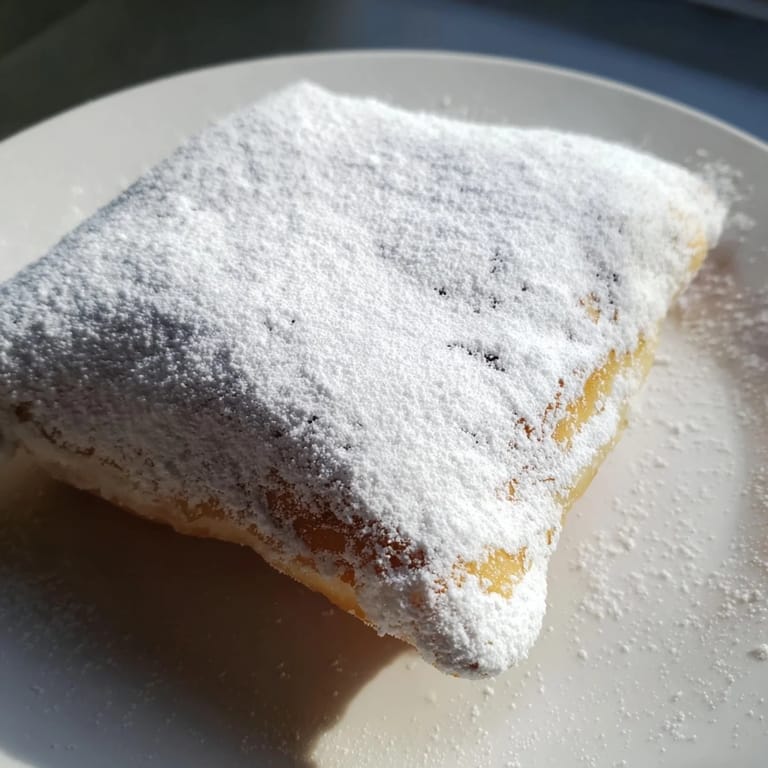
Save The first time I bit into a beignet, powdered sugar went everywhere—my nose, my shirt, even somehow in my hair. I was sitting at a café in the French Quarter on a humid morning, and this fluffy square of fried dough changed how I thought about breakfast. Years later, I realized I could make them at home, and now they're my go-to when I want to feel like I'm back in New Orleans without leaving my kitchen.
I made these for my sister's book club last spring, and they disappeared in minutes—faster than the actual books got read that night. Watching people's faces light up when they bit into one, that cloud of powdered sugar rising like edible mist, reminded me that food is really just love wearing a delicious disguise.
Ingredients
- All-purpose flour: The foundation of your dough; make sure it's not packed down when measuring, or your beignets will be dense instead of airy.
- Warm water and milk: They work together to create the right dough consistency, but if your milk is cold, the yeast won't activate properly—learn that one the hard way if you must.
- Active dry yeast: This is what makes beignets puff up like pillows; check your expiration date because old yeast leads to disappointed results.
- Granulated sugar: A pinch goes in the yeast mixture to wake it up, while the rest sweetens the dough itself.
- Egg and melted butter: These create richness and help the dough brown beautifully; room temperature ingredients mix more evenly.
- Salt: Just a teaspoon balances the sweetness and actually makes the flavor sing.
- Vegetable oil: Use something neutral with a high smoke point so you're not tasting the oil, just the dough.
- Powdered sugar: The final blanket of sweetness; buy more than you think you need because the dusting is half the charm.
Tired of Takeout? 🥡
Get 10 meals you can make faster than delivery arrives. Seriously.
One email. No spam. Unsubscribe anytime.
Instructions
- Wake up the yeast:
- Combine warm water (about 110°F is perfect—use a thermometer if you have one), a pinch of sugar, and yeast in a small bowl. Wait about 5 minutes until it's foamy and smells alive; if nothing happens, your yeast is likely dead and it's time to start over.
- Build your dough base:
- Mix flour, remaining sugar, and salt in a large bowl, then add the foamy yeast mixture along with milk, egg, and melted butter. Stir until everything comes together as a shaggy, slightly sticky dough.
- Knead until smooth:
- Whether by hand or with a stand mixer, work the dough for 5–7 minutes until it becomes smooth, elastic, and no longer sticky to the touch. This development is what creates those tender, pillowy beignets.
- Let it rise:
- Place the dough in a lightly oiled bowl, cover it loosely with plastic wrap or a clean towel, and set it somewhere warm for 1–1.5 hours until it's doubled in size. A warm oven with the light on works beautifully.
- Shape your beignets:
- Punch down the risen dough and transfer it to a floured surface, then roll it out to about 1/4 inch thick. Using a sharp knife or pizza cutter, cut it into 2-inch squares—precision here isn't critical, but consistent sizing helps them cook evenly.
- Heat your oil:
- Bring oil in a deep fryer or heavy pot to 350°F (175°C); use a thermometer because this temperature is crucial. Too cool and they're greasy; too hot and they brown before puffing up.
- Fry until golden:
- Working in batches to avoid crowding, carefully place beignets in the hot oil, turning once, until they're puffed and golden brown on both sides, about 1–2 minutes per side. The moment you see that deep golden color, they're ready.
- Dust while warm:
- Remove them with a slotted spoon and drain on paper towels for just a minute, then generously coat them with powdered sugar while they're still warm enough for the sugar to stick. Serve immediately because beignets are best enjoyed fresh.
 Save
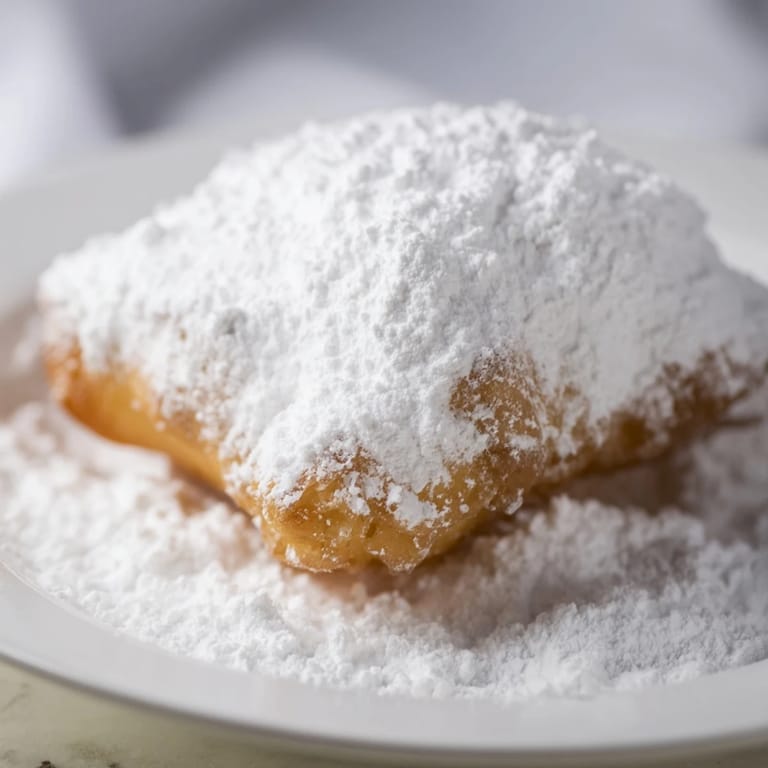
Save There's a quiet moment in my kitchen, right after the beignets come out of the oil and I'm dusting them with powdered sugar, when everything feels connected to something bigger. It's not just breakfast anymore; it's a little piece of a city I love, made with my own hands and shared with people I care about.
The Rise of Flavor
The yeast does more than just puff up your dough—it's actually creating flavor as it ferments, which is why you can't rush this step. That slightly sweet, slightly tangy taste that makes beignets so memorable comes from giving the yeast time to work. If you skip the rise or try to speed it up, you'll get fried dough, but you won't get beignets.
Oil Temperature and Fried Perfection
I learned the hard way that an instant-read thermometer is the most useful tool in your kitchen for this recipe. Oil that looks hot isn't the same as oil that is 350°F, and I've had more than one batch turn out greasy and heavy because I guessed wrong. Once you nail the temperature, everything else falls into place and you'll understand why beignets should never feel oily—just pure, pillowy joy.
Serving and Savoring
Beignets are meant to be eaten immediately, still warm, with someone you enjoy across from you. The powdered sugar mess is part of the experience, not something to apologize for. Pair them with strong café au lait, black coffee, or hot chocolate, and you've got something worth waking up early for.
- If you must reheat them, a quick pass through a 350°F oven for a few minutes restores their warmth without drying them out.
- You can make the dough the night before and refrigerate it, then let it come to room temperature and continue from the rising step the next morning.
- For extra depth, a splash of vanilla extract or a whisper of nutmeg in the dough adds intrigue without overshadowing the classic flavors.
 Save
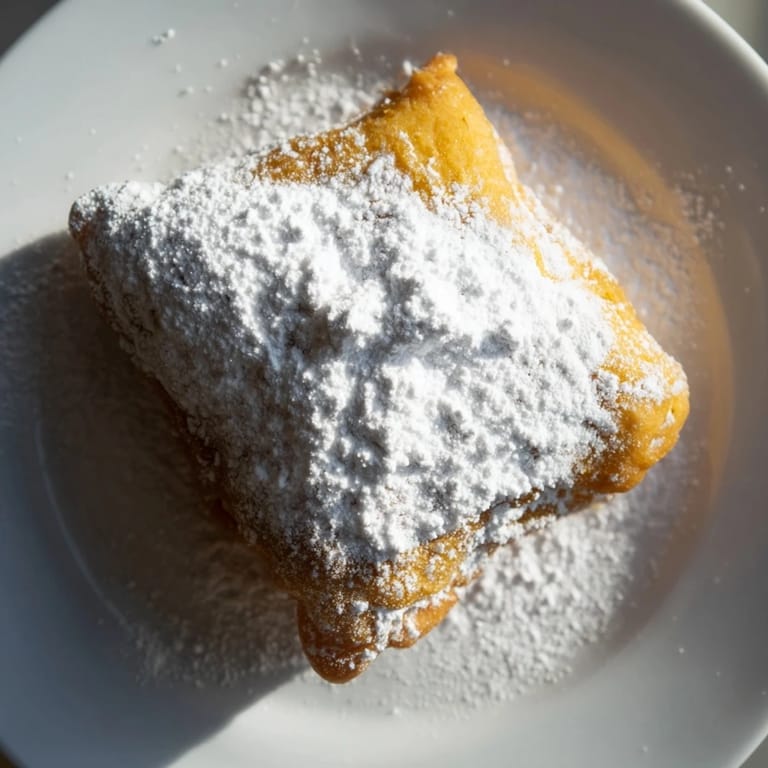
Save Making beignets from scratch is an act of generosity toward yourself and whoever gets to eat them. Start these on a weekend morning when you're not rushed, and you'll find yourself smiling at the magic of yeast and hot oil and powdered sugar.
Questions & Answers
- → What is the best oil for frying?
Vegetable oil with a high smoke point works well, ensuring even frying without burning.
- → How long should the dough rise?
Allow the dough to rise in a warm spot until doubled in size, usually about 1 to 1.5 hours.
- → How can I tell when the dough squares are cooked?
They should puff up and turn golden brown on both sides, which takes approximately 1–2 minutes per side.
- → Can I add flavor variations to the dough?
Yes, adding a touch of vanilla extract or a pinch of nutmeg enhances the flavor subtly.
- → How should I reheat leftovers?
Place them in a 350°F (175°C) oven for a few minutes to restore warmth and crispness.