 Save
Save The smell of charcoal heating up on a Saturday afternoon used to signal that my dad was about to grill something special. When I finally bought my first bone-in rib eye, I stood at the butcher counter longer than I care to admit, just staring at the marbling. The weight of it in my hand felt serious, almost ceremonial. I called my dad from the parking lot to confirm I wasn't about to ruin an expensive piece of meat. He laughed and told me to relax, that steak wants to be cooked simply.
I made this for my best friend's birthday last summer, and she still brings it up. We sat outside as the sun went down, and the sizzle of the steak hitting the grill made everyone go quiet for a second. I remember flipping it too early the first time out of nerves, but the crust still formed perfectly. The rosemary smoked up and filled the whole backyard with this herby, savory cloud. That meal turned into one of those nights where no one wanted to leave the table.
Ingredients
- Bone-in rib eye steaks: The bone isn't just for show, it conducts heat and keeps the meat juicy while adding a richness you can taste in every bite.
- Olive oil: A light coating helps the seasoning stick and promotes a beautiful sear without overpowering the beef.
- Kosher salt: Coarse salt clings better and seasons more evenly than table salt, and you can actually control how much you're using.
- Freshly ground black pepper: Crack it yourself right before cooking for a sharper, more aromatic bite that pre-ground pepper just can't match.
- Fresh rosemary: Tossing sprigs directly on the steak while grilling infuses it with woodsy flavor, and the charred needles smell incredible.
- Garlic cloves, smashed: Smashing releases oils and mellows the sharpness, turning garlic into a sweet, aromatic accent.
- Baby potatoes: Their thin skins get tender fast, and they soak up butter like little sponges.
- Unsalted butter: You control the saltiness, and it makes the potatoes glossy and indulgent.
- Fresh parsley: A handful of chopped parsley brightens the richness and adds a pop of color to the plate.
- Asparagus: The spears char beautifully on the grill, and their slight bitterness balances the richness of the steak.
- Lemon wedges: A squeeze over the asparagus or even the steak cuts through the fat and wakes up every flavor.
Tired of Takeout? 🥡
Get 10 meals you can make faster than delivery arrives. Seriously.
One email. No spam. Unsubscribe anytime.
Instructions
- Bring the steaks to room temperature:
- Pull them out of the fridge 30 minutes before you plan to grill, pat them dry with paper towels, then rub them all over with olive oil, salt, and pepper. This ensures even cooking and a crust that actually sticks.
- Preheat your grill:
- Get it screaming hot, around 450 to 500 degrees Fahrenheit, so the steaks sear immediately when they hit the grates. You want to hear that sizzle the second the meat makes contact.
- Grill the steaks:
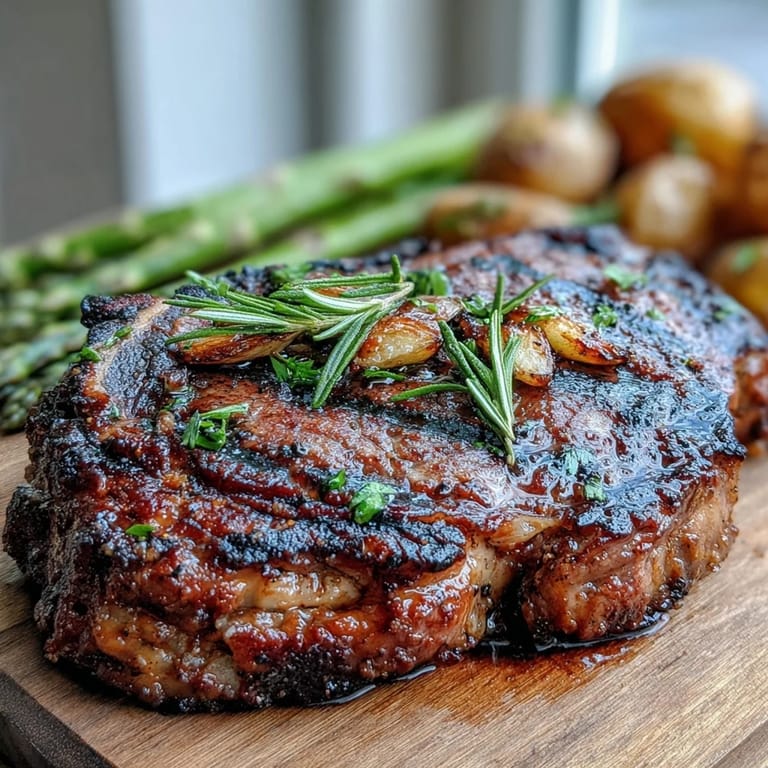
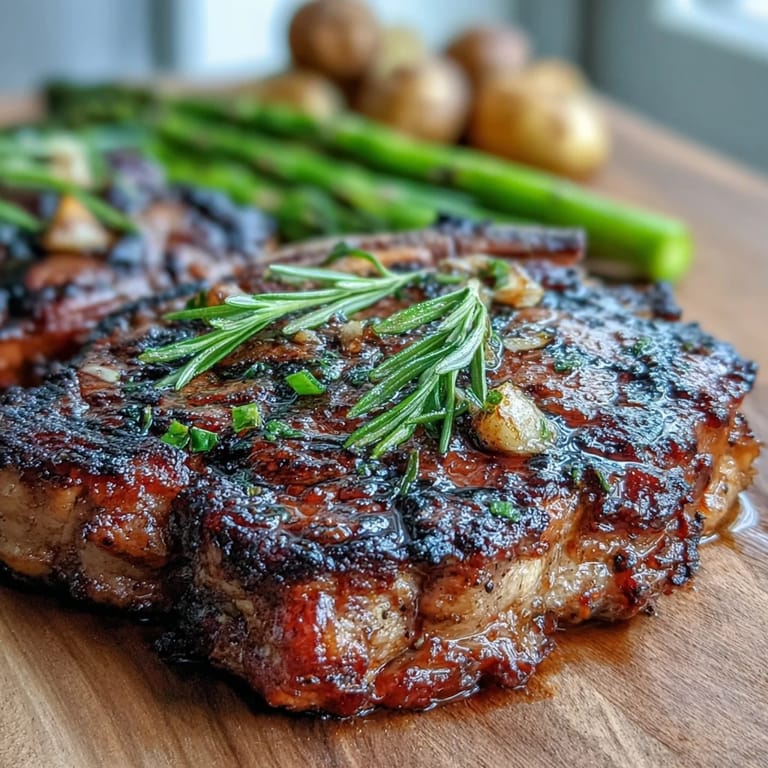
- Lay the steaks on the hottest part of the grill, then top each with a rosemary sprig and a smashed garlic clove. Grill for 4 to 5 minutes per side for medium-rare, resisting the urge to move them around, then pull them off and let them rest loosely tented with foil for 8 minutes.
- Boil the potatoes:
- While the steaks are grilling, drop the halved baby potatoes into a pot of salted boiling water and cook until fork-tender, about 10 to 12 minutes. Drain them well, then toss with butter and chopped parsley until they shine.
- Grill the asparagus:
- Toss the trimmed spears with olive oil, salt, and pepper, then lay them on the grill during the last 5 minutes of cooking the steak. Turn them once so they get tender and lightly charred without going limp.
- Plate and serve:
- Arrange the rested steaks on a platter with the asparagus and buttery potatoes, tucking lemon wedges around the edges. Serve immediately while everything is still hot and fragrant.
 Save
Save There was a night last fall when I made this for myself after a long week, no guests, no occasion. I sat outside with just a candle and a glass of red wine, and the steak tasted better than it had any right to. Sometimes cooking something this good is less about impressing anyone and more about reminding yourself that you deserve it. That quiet meal became a kind of reset I didn't know I needed.
Choosing the Right Steak
Ask your butcher for steaks that are at least an inch and a half thick, anything thinner cooks too fast and you lose that perfect pink center. Look for generous marbling, those white streaks of fat, because that's where all the flavor hides. The bone should be cleanly cut and still attached, it's not just for looks, it actually helps the meat cook more evenly. If the steak feels cold and firm, that's a good sign it's fresh. Trust your eyes and your gut, a beautiful steak is hard to miss.
Getting the Grill Ready
I used to think any heat would do, but a properly preheated grill makes all the difference between a pale steak and one with a crackling crust. Give your grill at least 10 to 15 minutes to heat up with the lid closed so the grates get hot enough to sear on contact. Oil the grates lightly with a folded paper towel dipped in oil, holding it with tongs, to prevent sticking. If you're using charcoal, pile the coals on one side for a two zone fire so you can sear and then move the steak to indirect heat if needed. Clean grates and high heat are your best friends here.
Timing and Doneness
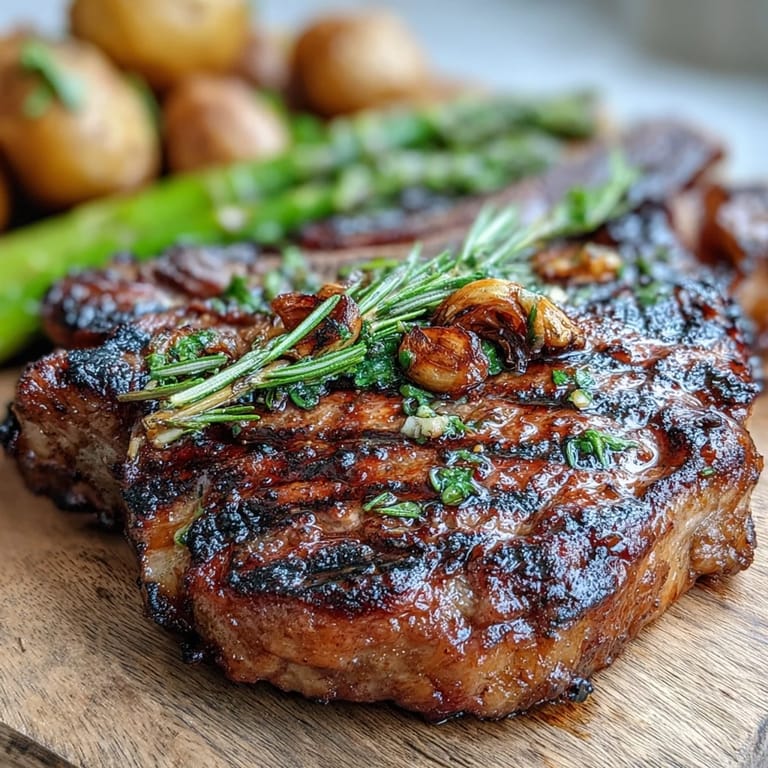
An instant-read thermometer takes all the guesswork out, aim for 130 degrees Fahrenheit for medium-rare, 140 for medium. The steak will continue cooking a bit while it rests, so pull it off a few degrees before your target. I learned this the hard way after overcooking a perfect rib eye because I left it on too long. If you don't have a thermometer, press the steak gently, it should feel like the flesh at the base of your thumb when you touch your thumb and middle finger together. Resting is just as important as cooking, so don't skip those 8 minutes.
- For rare, pull the steak at 120 degrees Fahrenheit and expect a cool red center.
- For medium-well, aim for 150 degrees Fahrenheit, though I think you lose some of the magic past medium.
- Always tent loosely with foil during the rest, tight wrapping traps steam and softens that beautiful crust you worked for.
 Save
Save This isn't just dinner, it's the kind of meal that makes you slow down and taste every bite. Whether you're celebrating something or just treating yourself to a quiet evening, this steak delivers every single time.
Questions & Answers
- → What internal temperature should I aim for when grilling rib eye steak?
For medium-rare, aim for 130-135°F (54-57°C) internal temperature. Medium is 135-145°F (57-63°C). Use an instant-read thermometer inserted into the thickest part of the steak, avoiding the bone for the most accurate reading.
- → Why is it important to let the steaks rest after grilling?
Resting allows the juices to redistribute throughout the meat. Cutting immediately causes those flavorful juices to run out onto the plate. An 8-minute rest ensures maximum tenderness and juiciness in every bite.
- → Can I cook this on a grill pan instead of an outdoor grill?
Yes, a cast-iron grill pan works excellently. Preheat it over high heat until smoking hot before adding the steaks. You'll achieve beautiful grill marks and a nice crust, though you may need to finish thicker steaks in a 400°F oven.
- → What are the best side dish substitutions for asparagus?
Green beans, broccolini, or Brussels sprouts halves all grill beautifully alongside the steak. Toss them with olive oil and seasonings, and they'll develop the same delicious char while remaining tender inside.
- → How can I tell when the steak is done without a thermometer?
Use the touch test: press the center of the steak. Soft and squishy indicates rare, slightly firm is medium-rare, and firm is medium to well-done. However, an instant-read thermometer provides the most reliable results.
- → What wine pairs best with bone-in rib eye steak?
Bold red wines complement the rich, fatty nature of rib eye beautifully. Cabernet Sauvignon, Malbec, or a Bordeaux blend provide tannins that cut through the fat while enhancing the savory, grilled flavors of the meat.