 Save
Save My neighbor Rosa used to make these every Sunday, and the smell would drift through the hallway around noon. I'd knock on her door with some excuse about borrowing oregano, and she'd smile knowingly, handing me a still-warm slice wrapped in foil. After she moved back to Palermo, I begged her for the recipe, and she scribbled it on the back of a grocery receipt. That crumpled piece of paper is still taped inside my recipe binder.
The first time I rolled these myself, I used too much filling and they burst open in the pan like little flavor bombs. My husband still laughs about it, but honestly, even the messy ones tasted incredible. Now I know to leave that border and roll them snug but not strangled. It's become our go-to for when we want the house to feel like someone's nonna lives here.
Ingredients
- Thin slices beef top round or flank steak: You want them pounded thin so they roll without tearing, and they turn buttery soft after simmering in the sauce.
- Pecorino cheese: Sharp and salty, it's the backbone of the filling and melts just enough to bind everything together.
- Pine nuts: Toast them lightly first or they'll taste flat, the nutty richness they add is worth that extra minute.
- Raisins: They plump up in the sauce and give little pops of sweetness that balance the sharpness of the cheese.
- Fresh parsley and basil: Bright and grassy, they keep the filling from feeling too heavy.
- Garlic: Minced fine so it melts into the filling and doesn't overpower the delicate balance.
- Breadcrumbs: Just enough to soak up any moisture and help the filling hold its shape.
- Olive oil: For searing the rolls until they're golden and for building the base of the sauce.
- Kitchen twine or toothpicks: Essential for keeping everything tucked in while they braise.
- Crushed tomatoes: The foundation of the sauce, sweet and thick enough to cling to the braciole.
- Dry red wine: Optional but recommended, it adds depth and helps lift all the browned bits from the pan.
- Dried oregano: A little goes a long way, it blooms in the tomato sauce and smells like Sunday dinner.
- Pinch of sugar: If your tomatoes are too sharp, this rounds them out without making the sauce sweet.
Tired of Takeout? 🥡
Get 10 meals you can make faster than delivery arrives. Seriously.
One email. No spam. Unsubscribe anytime.
Instructions
- Prep the beef:
- Lay each slice flat on a cutting board and pound gently until they're about a quarter inch thick, then season both sides with salt and pepper. You want them tender but not torn, so use a light hand with the mallet.
- Make the filling:
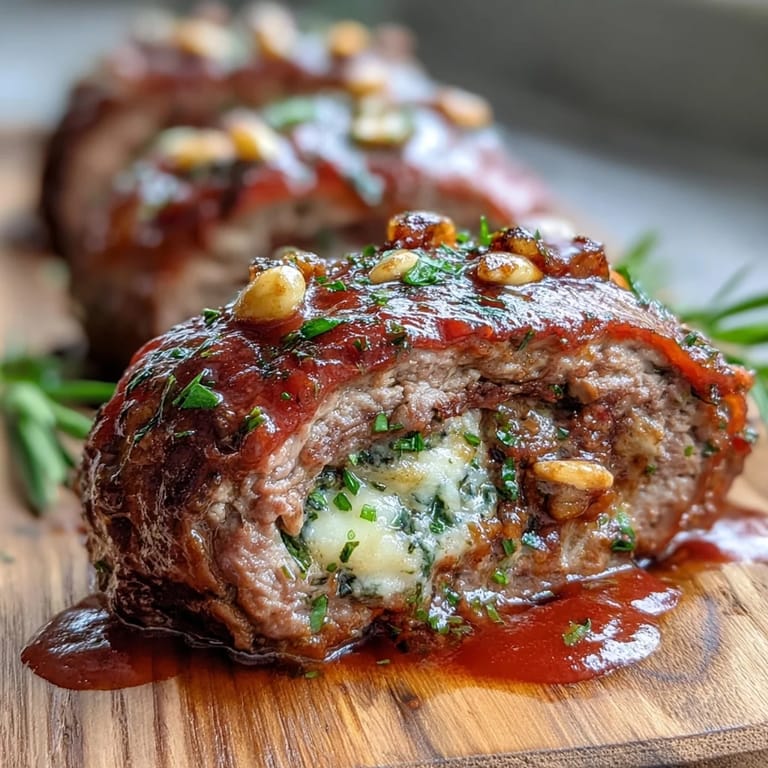
- In a bowl, toss together the pecorino, toasted pine nuts, raisins, parsley, basil, garlic, and breadcrumbs until everything is evenly mixed. It should look like a chunky, fragrant mixture that smells like a Sicilian pantry.
- Roll the braciole:
- Spoon the filling onto each beef slice, leaving about half an inch around the edges, then roll them up tightly and tuck in the sides as you go. Tie each one with kitchen twine or secure with toothpicks so they don't unravel in the pan.
- Sear the rolls:
- Heat two tablespoons of olive oil in a large skillet over medium high heat and brown the braciole on all sides, turning carefully until they're golden and crispy. This takes about six to eight minutes, then set them aside on a plate.
- Build the sauce base:
- In the same skillet, add another two tablespoons of oil and sauté the chopped onion until soft and translucent, about three minutes. Toss in the garlic and cook for one more minute until it's fragrant but not browned.
- Deglaze with wine:
- Pour in the red wine if you're using it and let it bubble and reduce by half, scraping up all those tasty browned bits stuck to the bottom of the pan. This step adds so much flavor it's almost criminal to skip it.
- Add the tomatoes:
- Stir in the crushed tomatoes, oregano, salt, pepper, and a pinch of sugar if your tomatoes taste sharp. Bring everything to a gentle simmer, stirring to combine.
- Braise the braciole:
- Nestle the seared braciole back into the sauce, cover the skillet, and let them simmer over low heat for about an hour and fifteen minutes, turning them occasionally. They're done when the beef is fork tender and the sauce has thickened around them.
- Finish and serve:
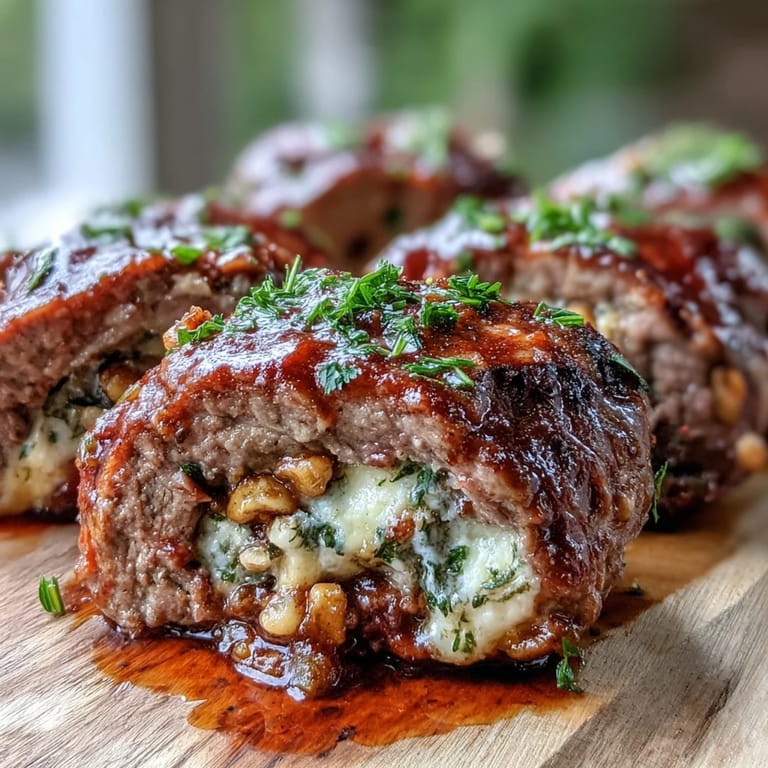
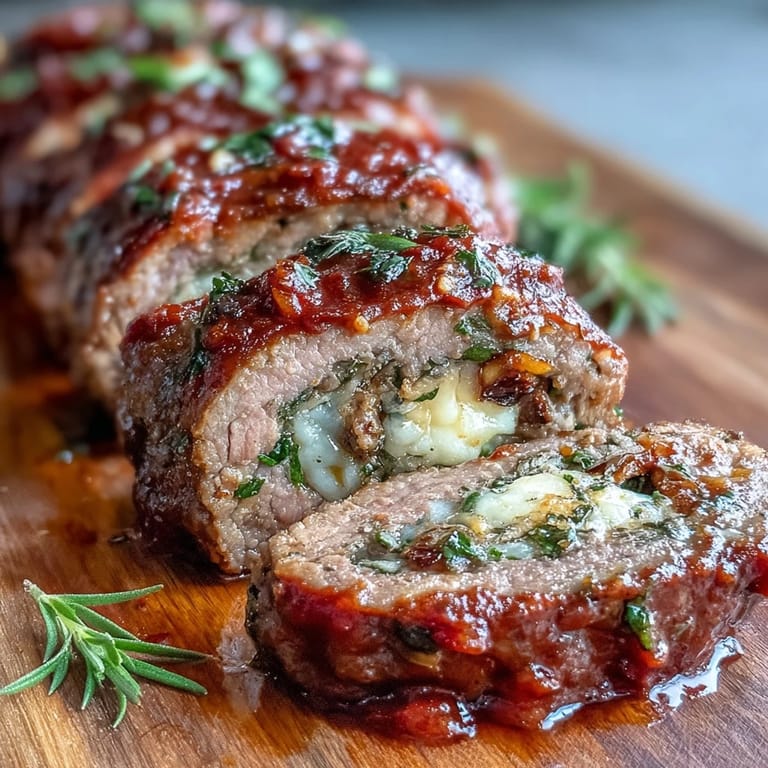
- Remove the braciole from the sauce, snip off the twine or pull out the toothpicks, and slice them into thick rounds. Spoon the rich tomato sauce over the top and serve while everything is still steaming.
 Save
Save I made these for my in-laws the first time they visited, and my father-in-law went quiet halfway through his second helping. When I asked if something was wrong, he just shook his head and said it tasted like his childhood in Catania. That's when I knew this recipe wasn't just dinner, it was a little piece of home on a plate.
Choosing the Right Cut
Top round is lean and takes well to pounding, but flank steak has more flavor and a bit more fat to keep things juicy. Either way, ask your butcher to slice them thin or do it yourself by partially freezing the meat first. A sharp knife and a steady hand make all the difference when you're trying to get even slices that roll without falling apart.
Serving Suggestions
I like to serve these over a pile of rigatoni or alongside creamy polenta that soaks up all that sauce. Crusty bread works too, especially if you tear it into chunks and drag it through the plate. A simple arugula salad with lemon and olive oil cuts through the richness and makes the whole meal feel balanced.
Make Ahead and Storage
These actually taste better the next day after the flavors have had time to settle into each other. You can assemble the braciole in the morning, keep them in the fridge, and sear them just before dinner. Leftovers keep in the fridge for up to three days, and they reheat beautifully in a covered pan with a splash of water.
- Freeze the braised rolls in their sauce for up to two months and thaw overnight in the fridge before reheating.
- If you're short on time, use a good quality store bought marinara and doctor it up with garlic and oregano.
- Always let the braciole rest for a few minutes after slicing so the juices redistribute and each piece stays tender.
 Save
Save Every time I tie up these little rolls, I think of Rosa and that hallway smell that used to make me so hungry. Now it's my kitchen that smells like Sunday, and I wouldn't have it any other way.
Questions & Answers
- → Can I use a different cut of beef for braciole?
Yes, flank steak or sirloin work well. Choose thin cuts that can be easily pounded and rolled. Avoid tougher cuts unless you extend the simmering time.
- → How do I prevent the rolls from opening during cooking?
Secure them tightly with kitchen twine or toothpicks. Make sure to tuck in the sides while rolling, and don't overfill to maintain a tight seal.
- → Can I make braciole ahead of time?
Absolutely. Prepare and sear the rolls up to 24 hours ahead, refrigerate, then simmer in sauce when ready. The flavors actually deepen overnight.
- → What can I substitute for pine nuts?
Chopped walnuts or almonds work as substitutes. Toast them lightly first to bring out their flavor and match the richness of pine nuts.
- → How do I know when the braciole is done?
The beef should be fork-tender after simmering for about 75-90 minutes. If it's still tough, continue cooking in the sauce for another 15-30 minutes.
- → What wine pairs best with this dish?
A robust Sicilian red like Nero d'Avola complements the rich flavors perfectly. Alternatively, try a Primitivo or Sangiovese for similar depth.