 Save
Save There's something about assembling a salad on a Tuesday afternoon when everything feels a bit heavy—the way the afternoon light hits the cutting board, how those first crisp leaves of green somehow lighten the whole kitchen. I stumbled into this one during a phase where I was trying to eat my way toward better energy, and it turned out to be less about restriction and more about discovering that vegetables could actually taste like joy when they weren't fighting each other on the plate.
I made this for my sister during her first week trying to shift her diet, and watching her go back for seconds—then asking for the recipe—told me everything I needed to know about whether it was worth making regularly. She said it tasted like what healthy was supposed to taste like, which felt like the highest compliment.
Ingredients
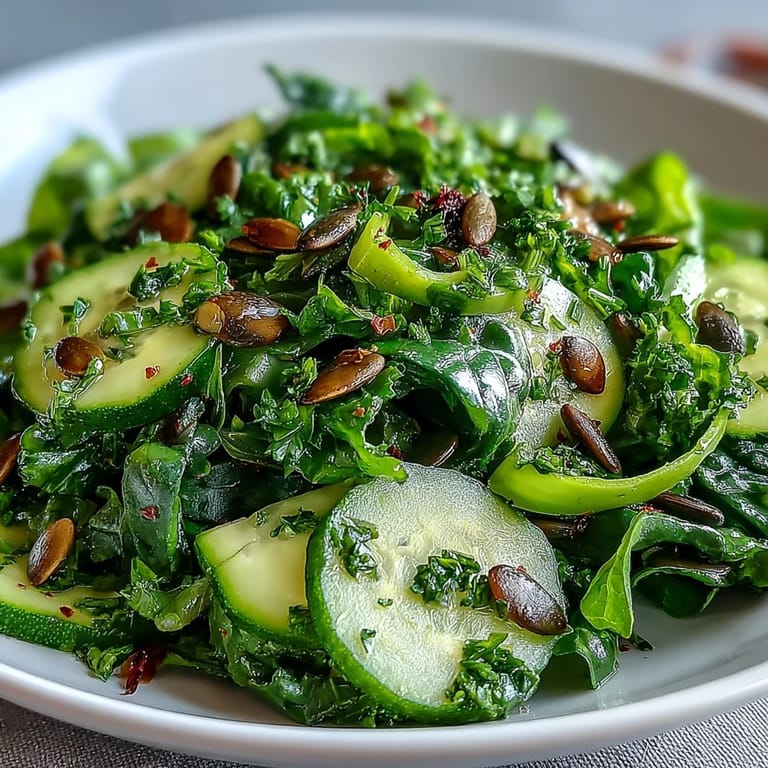
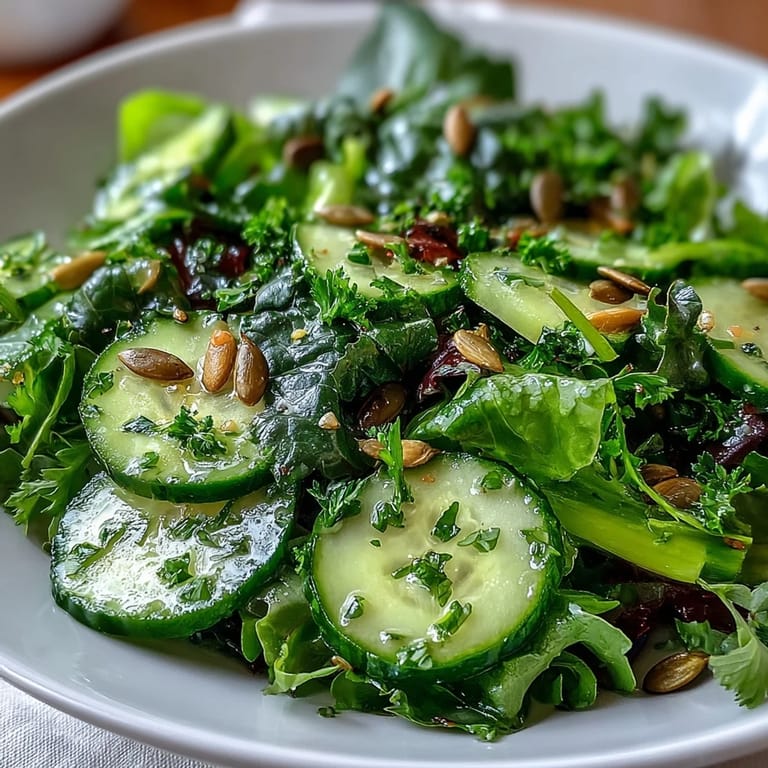
- Mixed baby greens (6 cups): The foundation should be tender and varied—spinach brings earthiness, arugula adds a peppery kick, and kale offers substance; if one green feels too strong on its own, mixing them creates balance.
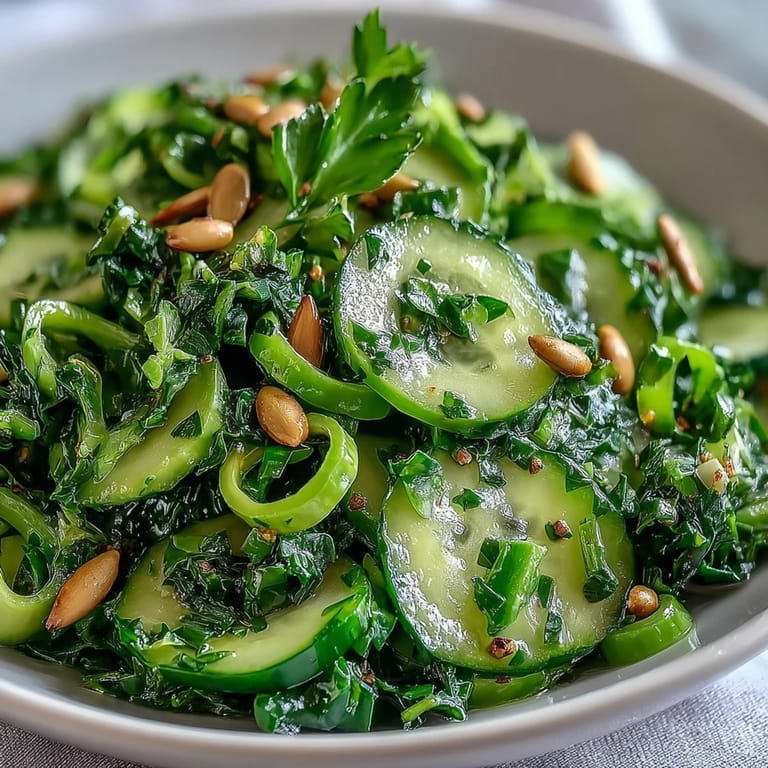
- Cucumber (1, thinly sliced): This is your hydration element and what gives the salad that fresh, almost cool quality; slice it just before serving so it stays crisp.
- Celery (1 cup, thinly sliced): Often overlooked but essential for providing that satisfying crunch and a subtle, clean flavor that doesn't compete with anything.
- Green bell pepper (1 cup, julienned): The natural sweetness plays beautifully against the vinaigrette's brightness; julienning keeps it elegant and ensures every bite has a piece.
- Zucchini (1 cup, thinly sliced): This adds volume without heaviness and soaks up the dressing wonderfully if you let it sit a few minutes.
- Fresh parsley (1/2 cup, chopped): Don't skip this—it's what makes the salad feel alive and gives you that herbal brightness that ties everything together.
- Extra virgin olive oil (3 tablespoons): A good quality oil makes the difference between a salad that tastes like medicine and one that tastes like a choice; this is worth not skimping on.
- Fresh lemon juice (2 tablespoons): Freshly squeezed always beats bottled; the acidity is what makes everything taste more like itself.
- Apple cider vinegar (1 tablespoon): This adds complexity and a subtle warmth that makes the dressing more interesting than just lemon alone.
- Dijon mustard (1 teaspoon): A small amount acts as an emulsifier and adds a savory undertone that deepens the whole flavor profile.
- Sea salt and black pepper (1/2 teaspoon and 1/4 teaspoon): Taste as you go—these quantities are a starting point, not a destination, because every palate is different.
- Pumpkin or sunflower seeds (1/4 cup, optional): The crunch here transforms the salad from delicate to substantial; toast them lightly if you have time for extra nuttiness.
Tired of Takeout? 🥡
Get 10 meals you can make faster than delivery arrives. Seriously.
One email. No spam. Unsubscribe anytime.
Instructions
- Prep your greens and vegetables:
- Wash and thoroughly dry your greens—moisture is the enemy of a crisp salad—then slice everything thinly and evenly so it all eats well together. I like to prep everything and let it sit in the bowl for a minute while I make the dressing, which gives the greens time to relax slightly.
- Build the vinaigrette:
- In a small bowl, start with the oil and slowly whisk in the lemon juice and vinegar so they emulsify together into something silky rather than staying separated. Add the mustard, salt, and pepper, tasting as you go because you might want a tiny bit more of something.
- Dress and toss with intention:
- Pour the vinaigrette over the salad and toss gently but thoroughly—this isn't the moment to be tentative, but it's also not the moment to bruise anything; you want every leaf coated without being drowning. If using seeds, sprinkle them on just before serving so they stay crispy.
 Save
Save There was a moment, maybe three weeks into making this regularly, when I realized I was genuinely looking forward to lunch in a way I hadn't in years—not excited the way you are about dessert, but the quieter, steadier kind of excited where you know something is going to make you feel good. That shift felt like permission to care about what I ate in a way that felt less like obligation and more like self-respect.
The Art of the Vinaigrette
A proper vinaigrette is one of those kitchen skills that unlocks everything else, and this one taught me that the ratio matters less than the balance—you're looking for that moment where the acid wakes up your mouth but the oil rounds it all out into something smooth. The Dijon mustard is doing quiet work here, helping the oil and vinegar stay friends instead of separating the moment you look away. Once you understand this basic structure, you can play with it forever: different vinegars, citrus varieties, herbs, even a touch of honey if you want to shift the mood.
When to Serve This Salad
This isn't a salad that's just for lunch or just for side dishes—I've served it at dinners where it felt elegant, made it for quick lunches when I didn't have time for anything complicated, and even brought it to potlucks where it disappeared faster than the heavier options. It works in any season because the vegetables are usually available year-round, though it feels especially right during warmer months when you want something that cools you from the inside out.
Customizing Your Glowing Green
The beauty of this salad is that it's a canvas more than a rule, and once you understand the basic structure, you can paint whatever you have on hand into it. I've added avocado when I wanted something creamier, thrown in fresh mint when I wanted brightness, and used lime juice instead of lemon when I was feeling bold. The seeds are flexible too—whatever you have in the pantry that adds crunch works, and if you have none, the salad still tastes lovely, just softer. Here are my most useful discoveries from playing around with this:
- Fresh herbs like mint, basil, or cilantro can completely change the personality of the salad depending on which one you choose.
- If you want protein without breaking the vegan promise, hemp seeds or nutritional yeast both add depth and staying power.
- Leftovers taste better the next day if you keep the dressing separate and dress it fresh—the greens will have softened into something almost wilted-salad territory, which some people actually prefer.
 Save
Save This salad became my answer to the question of how to eat well without it feeling like punishment, and that matters. It's the kind of thing that sticks around in your regular rotation not because someone told you it was good for you, but because you genuinely want it.
Questions & Answers
- → How long does this salad stay fresh?
The dressed salad is best enjoyed immediately for optimal crunch. However, you can prep vegetables and vinaigrette separately up to 24 hours in advance. Store chopped vegetables in airtight containers and keep vinaigrette refrigerated. Toss together just before serving.
- → Can I use different greens?
Absolutely. Mix and match based on preference or seasonal availability. Baby spinach, arugula, kale, and romaine all work beautifully. Consider adding fresh herbs like basil or mint for extra flavor dimensions.
- → What vegetables work best for crunch?
Cucumber, celery, and bell pepper provide excellent texture. For additional crunch, try raw radishes, snap peas, jicama, or shaved fennel. These maintain their crispness even after tossing with vinaigrette.
- → Is the vinaigrette customizable?
Yes. Substitute lime juice for lemon or add honey for sweetness. Try balsamic instead of apple cider vinegar. Fresh garlic, minced shallots, or herbs like dill and oregano can elevate the flavor profile to your liking.
- → How do I make this more filling?
Add protein like grilled chicken, salmon, chickpeas, or quinoa. Sliced avocado or hemp seeds boost healthy fats. The base also pairs wonderfully with roasted vegetables for a warm-and-cool combination.