 Save
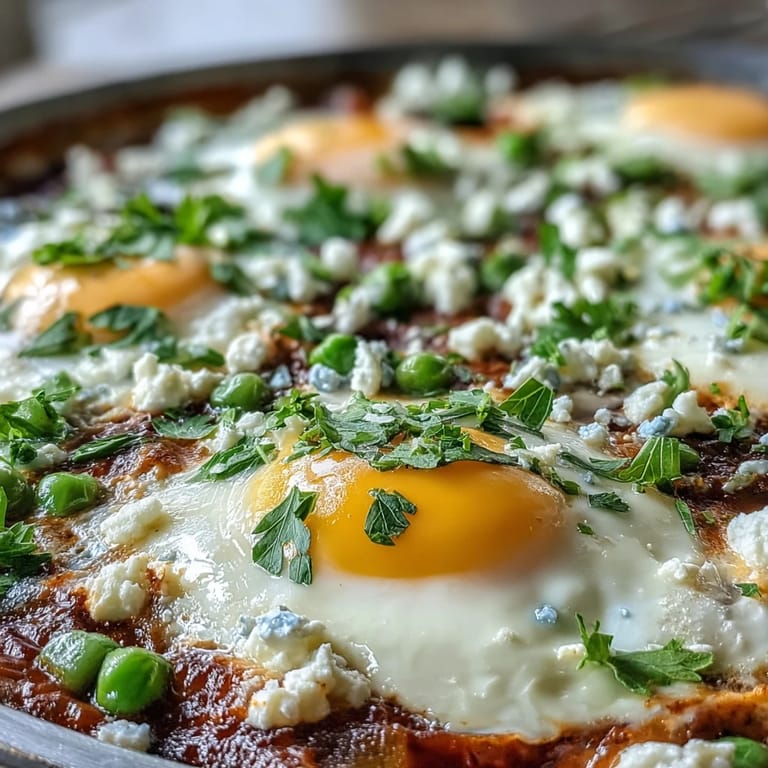
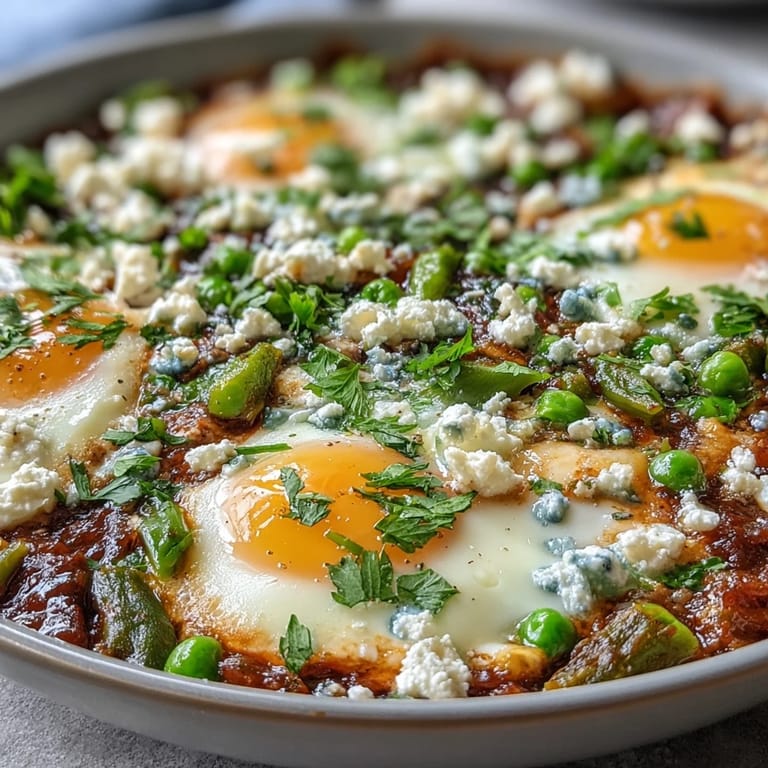
Save Last spring, I was standing in a farmer's market with a basket of impossibly fresh peas and broad beans, watching the vendor arrange them like jewels on ice, and I thought: what if I didn't hide these in a side dish? That afternoon led me to shakshuka, that magical Middle Eastern way of poaching eggs in sauce, but I reimagined it as a garden celebration instead of a traditional tomato-only canvas. The colors alone—bright greens, golden yolks, ruby sauce—convinced me I was onto something.
I made this for friends on a Sunday evening when everything felt a bit uncertain, and there's something about gathering around a shared pan of wobbling eggs and spring vegetables that just settles the mood. Someone asked for the recipe before they'd even finished eating, which is always the real compliment. That's when I knew this wasn't just a weeknight dinner—it was a dish that brings people together without fuss or pretense.
Ingredients
- Olive oil: Use good quality here because it's one of the few things you really taste on its own, warming everything up before the garlic joins the party.
- Onion and garlic: These are your flavor foundation, taking time to soften properly rather than rushing them—patience here pays off in depth.
- Red bell pepper: It adds sweetness and a glossy texture that makes the sauce feel luxurious, not just tomato-based.
- Asparagus, peas, and broad beans: Fresh or frozen both work beautifully; frozen actually locks in the color and texture better than overcooked fresh versions I've struggled with before.
- Canned tomatoes and tomato paste: The paste concentrates flavor while the canned tomatoes provide body—together they create something better than either alone.
- Ground cumin, smoked paprika, ground coriander, and chili flakes: These spices build warmth without heat, creating that comforting Middle Eastern hug the dish is famous for.
- Eggs: The star of the show; look for ones with deep golden yolks for visual impact and richer flavor.
- Fresh herbs, feta, and lemon: These finish the dish with brightness, creaminess, and acidity that make you want another bowl.
Tired of Takeout? 🥡
Get 10 meals you can make faster than delivery arrives. Seriously.
One email. No spam. Unsubscribe anytime.
Instructions
- Warm your foundation:
- Heat the olive oil and let that onion soften slowly over medium heat, listening for the quiet sizzle and smelling when it turns translucent and sweet. This takes about 4-5 minutes and is worth the wait.
- Build the aromatics:
- Add garlic and red pepper, cooking just until the pepper softens enough to bend easily when you press it with your spoon. You want to see it start to collapse, about 2-3 minutes, while everything smells incredible.
- Toast the spices:
- Stir in your cumin, paprika, coriander, and chili flakes for just one minute—this is crucial because it wakes up the spices without burning them, and your kitchen will smell like a spice market.
- Create the sauce base:
- Add tomato paste and chopped tomatoes, stirring well so the paste dissolves into the oil and creates a rich, deep red foundation. Simmer gently for 10 minutes, letting it thicken slightly while you occasionally stir and taste for seasoning.
- Add the spring vegetables:
- Fold in your asparagus, peas, and broad beans, cover the pan, and let them cook for 7-8 minutes until they're just tender but still hold their shape and color. You're aiming for tender-crisp, not soft.
- Nestle in the eggs:
- Use the back of your spoon to create small wells in the sauce, crack your eggs into each one, cover gently, and let them poach for 5-7 minutes. You'll know they're ready when the whites set but the yolks still jiggle slightly when you tilt the pan.
- Finish and serve:
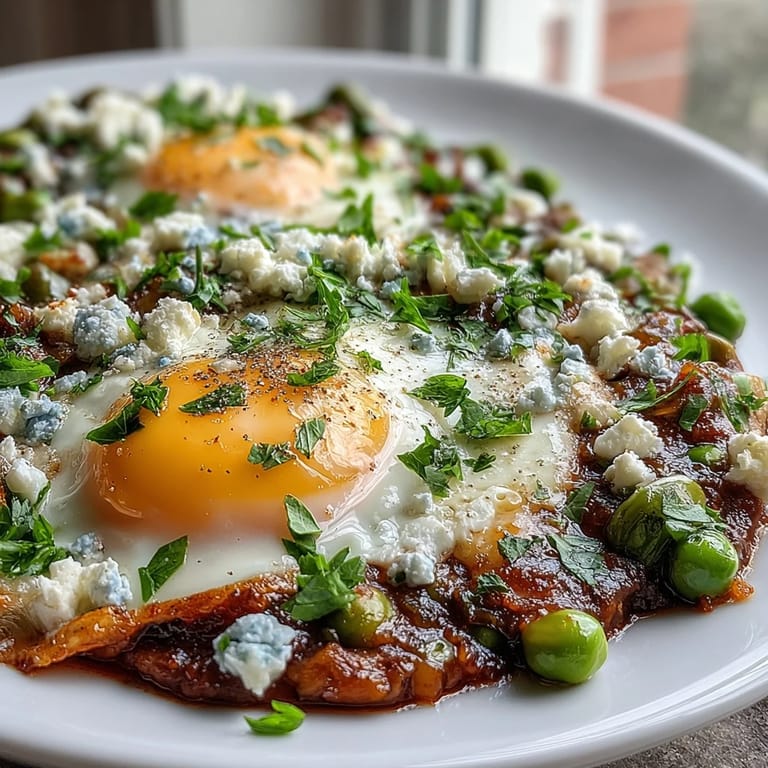
- Scatter fresh herbs, crumbled feta, and a squeeze of lemon over everything the moment it comes off heat. Serve immediately in the pan so people can help themselves and feel the warmth of it all.
 Save
Save I watched my daughter dip torn bread into a runny yolk and realize she could mix it into the sauce to make it even more luxurious, and it reminded me why home cooking matters—it's where people discover their own small joys. That moment of someone finding their own way through a dish feels like the whole point.
When to Make This
This dish sings during spring when the farmers market is overflowing and you want to eat outside as soon as the sun hits the table at dinner. But honestly, frozen peas and broad beans mean you can make it any time you want that spring feeling, which is exactly why I keep them stocked. On rushed weeknights when I need something that feels special without the stress, this is my answer because it comes together faster than delivery would arrive.
Customizing Your Shakshuka
The beauty of shakshuka is how it bends to what's in your kitchen and what your body is asking for on any given day. I've added crumbled feta for creaminess, tossed in fresh spinach at the last minute for extra greens, and once added roasted cherry tomatoes just because they were looking lonely in my fruit bowl. The core stays the same but the personality changes with your mood and what you have within reach.
Serving and Storage
This is best eaten the moment it comes off the heat while everything is still warm and the yolks are perfectly runny, ideally with crusty bread or warm pita you can use to scoop up the sauce like edible spoons. Leftovers can be refrigerated and gently reheated, though the eggs won't have that magical runny center anymore, so honestly it's best treated as a fresh-made dinner rather than a make-ahead meal.
- Eat immediately for the best experience with runny yolks and crisp vegetables.
- Pair with sourdough, pita, or flatbread for maximum sauce absorption and satisfaction.
- If making vegan, swap eggs for chickpeas and skip the feta for a completely different but equally delicious version.
 Save
Save This shakshuka taught me that sometimes the best dishes are the ones that let their ingredients shine instead of hiding them under layers of technique. Make it, share it, let someone else discover their own small joy through it.
Questions & Answers
- → Can I use frozen peas and broad beans?
Yes, frozen peas and broad beans work perfectly in this dish. Add them directly from frozen—they'll cook through in the simmering tomato sauce alongside the asparagus.
- → How do I know when the eggs are done?
Cook covered for 5–7 minutes. Whites should be fully set and opaque, while yolks remain slightly runny. Gently jiggle the pan—if whites wobble but yolks stay firm, they're ready.
- → Can I make this vegan?
Omit the eggs and feta. Add drained canned chickpeas during the vegetable simmering step for protein. The result remains hearty and satisfying.
- → What should I serve with shakshuka?
Warm pita, flatbread, or crusty sourdough for scooping. A simple green salad with lemon dressing balances the rich tomato sauce beautifully.
- → Can I add other vegetables?
Spinach or zucchini work well. Add spinach in the last 2 minutes to wilt, or zucchini pieces with the asparagus for even cooking.