 Save
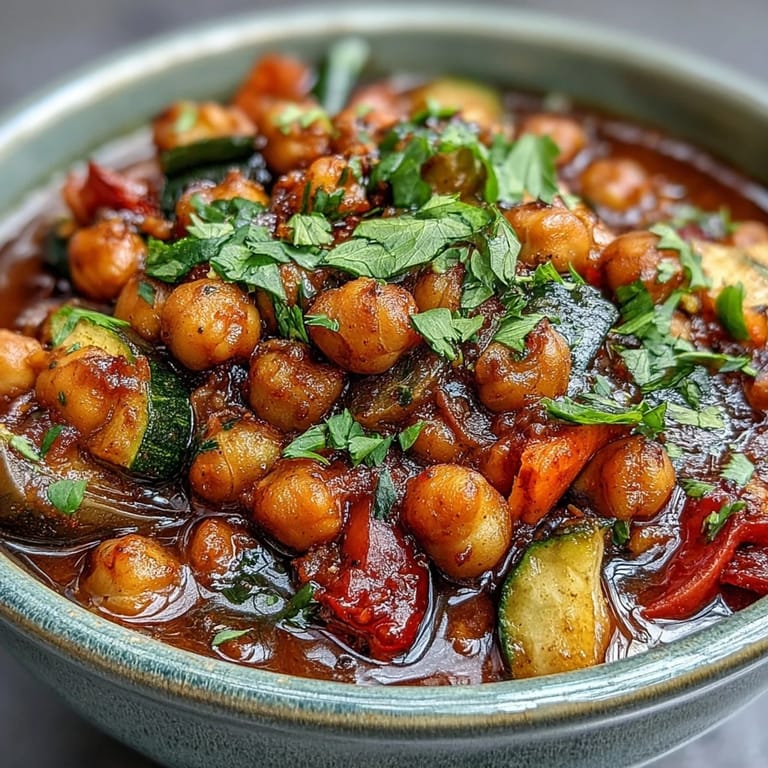
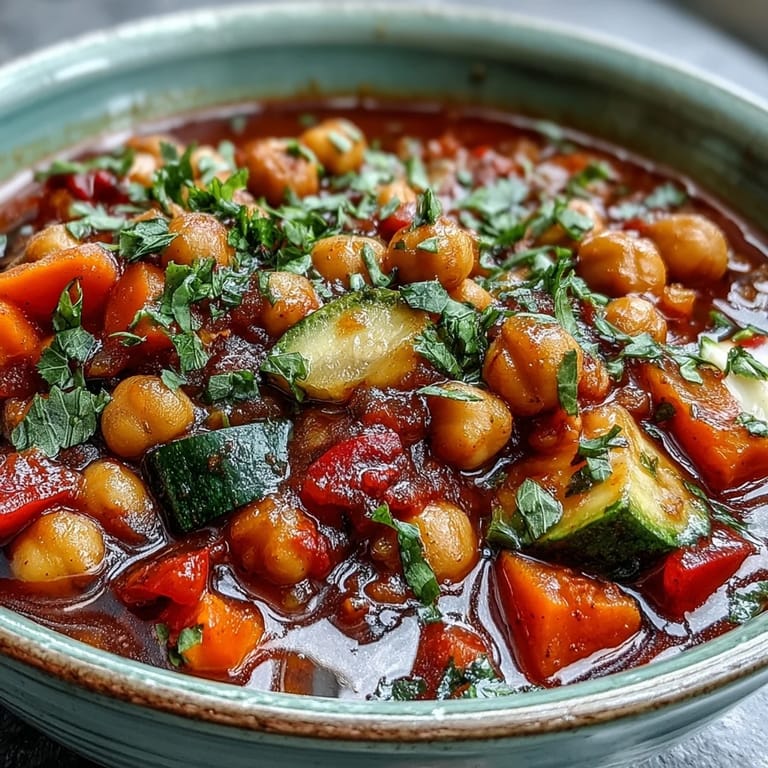
Save One rainy Tuesday, I found myself standing in front of a half-empty pantry, staring at two cans of chickpeas and wondering what on earth to make. My stomach was growling, the apartment was cold, and I needed something warming and substantial but without all the fuss. That's when this spicy chickpea stew came together almost by accident—a handful of spices, whatever vegetables hadn't gone soft, and the sudden realization that the simplest meals often taste the best.
I made this for my friend Maya on a day when she'd mentioned feeling run down, and watching her face light up as she tasted it reminded me why cooking for people matters. She asked for the recipe before she'd even finished her first bowl, and now it's become our thing—whenever one of us needs comfort in a dish, this is what appears on the table.
Ingredients
- Olive oil: Two tablespoons is your foundation—it's what carries all those spice flavors and helps the onions get properly soft and golden.
- Onion, garlic, carrots, bell pepper, zucchini: These aren't just vegetables; they're the backbone that makes the stew feel substantial and layered, each one adding its own quiet personality to the pot.
- Chickpeas: Drained and rinsed, they're where the protein and fiber live, turning this from a side dish into something that actually feeds you.
- Ground cumin: This is your hero spice—it wraps around everything and makes the whole stew feel warm and intentional.
- Ground coriander: Subtle and slightly floral, it keeps the cumin from getting too heavy and adds a gentle complexity.
- Smoked paprika: Don't skip this; it adds a depth that makes people ask if you slow-cooked this all day.
- Ground turmeric: A half teaspoon is enough to add earthiness and that golden color that makes the stew look like it means business.
- Chili flakes: Start with half a teaspoon and taste as you go—this is where you get to decide if your stew whispers or shouts.
- Sea salt and black pepper: These aren't afterthoughts; they're what bring everything into focus.
- Diced tomatoes and vegetable broth: Together they create the liquid that becomes this silky, spiced embrace around every ingredient.
- Fresh spinach or kale: Added at the end, they wilt into something tender and keep the stew from feeling heavy.
- Lemon juice: This is the secret weapon that brightens everything and makes you wonder why you didn't add it sooner.
- Fresh cilantro or parsley: A handful scattered on top transforms the bowl from everyday to something you actually looked forward to eating.
Tired of Takeout? 🥡
Get 10 meals you can make faster than delivery arrives. Seriously.
One email. No spam. Unsubscribe anytime.
Instructions
- Build your base:
- Heat the olive oil in your large pot over medium heat and add the diced onion. Let it cook for three to four minutes until it starts to turn translucent and smell sweet—you'll know it's right when it looks almost glassy. This is not the time to rush; the onion is laying the groundwork for everything that comes next.
- Layer in the vegetables:
- Add the garlic, carrots, bell pepper, and zucchini, stirring occasionally for about five minutes. You're not looking for them to be fully soft; just tender enough that the kitchen starts to smell alive and a little inviting.
- Toast your spices:
- This is the moment everything changes—add the cumin, coriander, paprika, turmeric, chili flakes, pepper, and salt. Stir continuously for about one minute and watch as the whole pot comes alive with fragrance; that's the spices opening up and getting ready to flavor everything.
- Build the stew:
- Pour in the chickpeas, diced tomatoes, and vegetable broth, giving everything a good stir. Bring it to a boil, then turn the heat down to a simmer and let it bubble gently uncovered for twenty to twenty-five minutes, stirring every so often so nothing sticks to the bottom.
- Finish with greens:
- Add your spinach or kale and let it cook for two to three minutes until it's wilted and soft. You'll watch the leaves go from crisp to tender, and the stew will look deeper and more finished.
- Brighten and taste:
- Squeeze in the lemon juice and give everything a taste—adjust the salt, pepper, or chili flakes if it needs it. This is your moment to make it exactly what you need.
- Serve and celebrate:
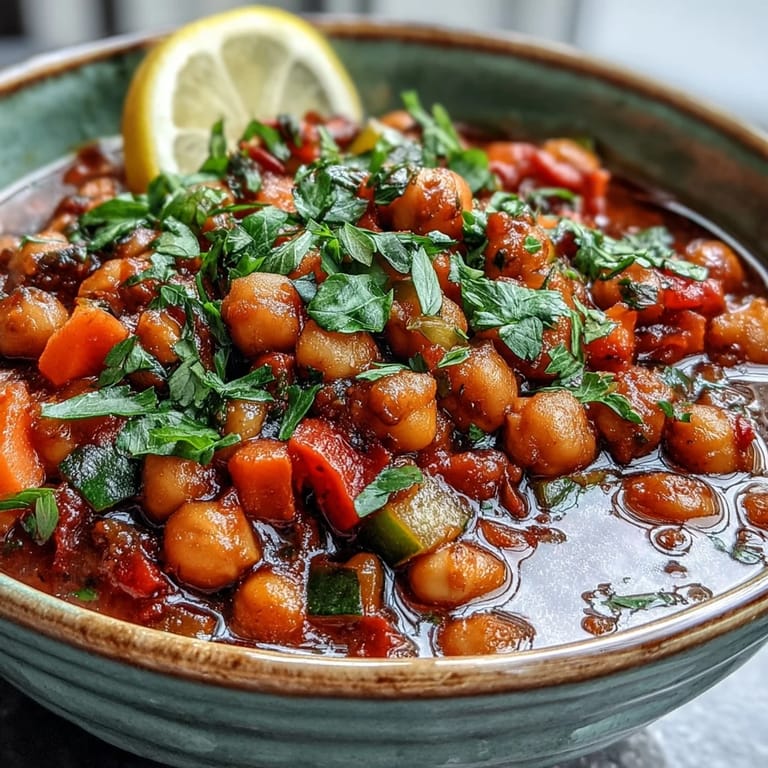
- Ladle into bowls, scatter cilantro or parsley on top, and serve hot with bread, rice, or quinoa if your heart desires.
 Save
Save There's something sacred about a pot of stew, the way it sits on the stove and fills your whole life with warmth and possibility. This one taught me that you don't need complicated techniques or rare ingredients to make something that matters.
The Magic of Spice Combinations
When I first made this, I was skeptical about using five different spices in one pot—wouldn't it taste confused? But that's when I learned that certain spices are actually designed to work together, and the Mediterranean kitchen has figured this out over centuries. Cumin and coriander are like old friends who bring out the best in each other, while paprika adds smoke and depth without overpowering. Turmeric ties everything together with its earthy warmth, and the chili flakes are there as backup dancers, adding heat without stealing the show.
Why Leftovers Are Better
The first night this stew is delicious, but by the next day something almost miraculous happens—the flavors deepen, the spices marry into something more cohesive, and you realize you've accidentally created something even better than you started with. I've learned to make this on purpose when I want tomorrow to be easier, knowing that a simple reheating will give me something that tastes like it took hours to create.
Endless Ways to Make It Yours
This stew is deeply flexible, which is part of why it's become a regular in my kitchen. Add a diced sweet potato for sweetness and extra fiber, throw in some eggplant if that's what you have on hand, or blend a cup of the finished stew back into the pot if you want it creamier and more luxurious. I've also learned that if you want to serve it over rice or with bread, it becomes something your whole body feels grateful for.
- Keep extra vegetable broth on hand because the difference between a stew that's hearty and one that's soupy matters when you're cooking for others.
- Fresh lemon juice absolutely cannot be substituted with bottled—the brightness you need is only in the real thing.
- Double or triple this recipe without hesitation because it freezes beautifully and your future self will be thrilled to have it waiting in the freezer.
 Save
Save This spicy chickpea stew has become my answer to the days when I need nourishment without complication, comfort without pretense. It's proof that the best meals are often the simple ones made with intention and a willingness to let flavors speak for themselves.
Questions & Answers
- → How long does the stew keep in the refrigerator?
The stew keeps well for up to 5 days when stored in an airtight container. The flavors continue to develop, making it an excellent meal prep option.
- → Can I freeze this dish?
Yes, freeze in portion-sized containers for up to 3 months. Thaw overnight in the refrigerator and reheat gently on the stovetop.
- → What can I serve with this stew?
Pair with brown rice, quinoa, or crusty bread. It also works well over roasted sweet potatoes or with a side of flatbread.
- → How can I make it spicier?
Increase chili flakes to 1 teaspoon or add fresh minced jalapeño when sautéing the vegetables. Adjust according to your heat preference.
- → Can I use dried chickpeas instead of canned?
Yes, soak and cook about 2 cups dried chickpeas until tender before adding. This extends total time but yields excellent texture.